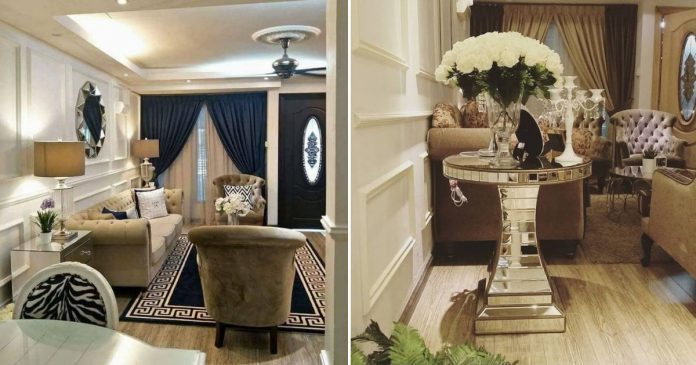
Dalam isu pengubahsuaian kediaman, kehendak dan bajet haruslah seiring. Selain itu, perancangan yang rapi juga perlu bagi memastikan proses renovasi berjalan lancar dan menepati citarasa. Walaupun setiap orang mempunyai standard berbeza-beza bergantung pada tahap kesanggupan melabur, kita semua setuju yang tiada siapa mahukan rumah mereka berantakan dan tidak cantik. Begitu juga dengan Puan Nadia dan suaminya encik Hisham yang meletakkan harapan tinggi buat kediaman teres 1 1/2 tingkat mereka di Seksyen 7, Kota Damansara ini.
Selain banyak mendapat ilham dan inspirasi dari instagram deco luar negara, Puan Nadia juga amat meminati gaya Dato’ Rizalman menghias kediaman-kediaman yang mewah tersergam indah. Dengan keluasan 24×58 kaki persegi, pemilik ini memilih untuk menerapkan konsep kontemporari yang glamour pada setiap ruang rumahnya. Rumah secondhand yang dibelinya pada tahun 2010 ini pada mulanya kelihatan sangat usang dan teruk tapi setelah membelanjakan hampir RM100k untuk kos keselurhan merenovasi, kediaman ini telah kembali bersinar dan menarik dalam masa lapan tahun.
Mari kita lihat transformasi menakjubkan yang mungkin dapat memberi inspirasi buat para pembaca. Selamat mendeko!
SEBELUM
Ads
SELEPAS
Ads
Ads
Sentuhan Midas penuh kemewahan dan elegant untuk kediaman anda.
Rahsia dari IMPIANA, download sekarang di
How long did the project take, from conceptualisation, to completion? We were approached by the client in early 2016. The conceptualisation of the design started soon after and after a few rounds of presentations we finalised the overall form and design in mid-2016. We oversaw all submissions and approval processes and the building was approved for construction by the end of 2016. Construction commenced in March 2017 and took 15 months to complete.
In addition to the architectural design and in line with our goals of combining architecture, interior and furniture design to produce a total design product, TA.LE ARCHITECTS also conducted the interior design of the home. This was run on a separate timeline and we finalised the design in mid-2017. The interior designs were tailored to respond to specific usage patterns of the owners and the design touched on the finer details, hence it was important to work with the clients to get the requirements right. Interior design also meant looking into the selection of materials and finishes and proposing the right bespoke details for all the carpentry works, therefore it required a longer time to perfect the design.
The entire house including the interior fitting out works were fully completed by August 2018 for the move in.
What were some of your design inspirations for this project? When designing this house there were a few considerations. Comfort was a major priority and to achieve this we looked towards the traditional wisdom of tropical architecture. We understood the natural orientation of the house and positioned it so that the Western sun was screened – reducing ambient temperatures – while maximising natural light into the building. In order to combat the heat that comes with sunlight we developed architectural responses including deep roof eaves and generous overhangs.
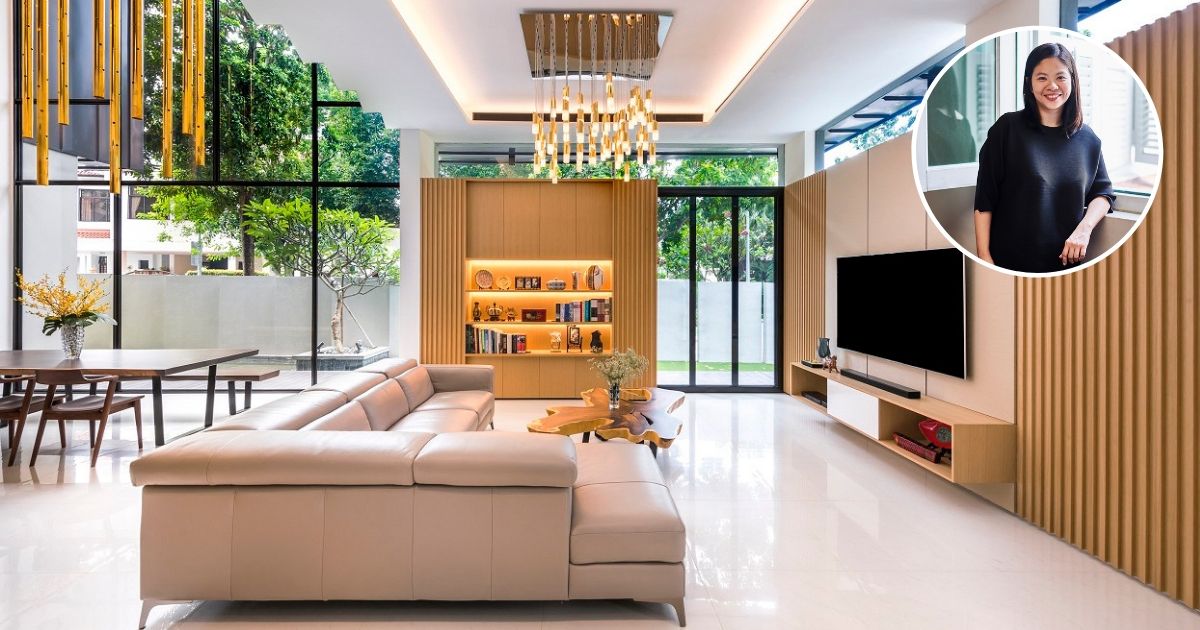
The home’s character is also illustrated through the design in the form of angular silhouettes such as the serrated ceiling panels at the Dining room. We softened the lines by employing a light-coloured material palette that included oak timber and soft, diffused lighting (carefully concealed around the ceiling).
What kind of materials did you use in the project? The exterior of the house is finished in aluminium cladding to ensure durability, and the timber appearance on the southern elevation of the house is achieved by adhering timber-lookalike film over the aluminium cladding. The advantage of this is that the house will consistently look pristine and not age and discolour readily, as compared to using real timber for its exterior.
Within the interior spaces, natural materials area used. For the family spaces wrapping around the central decorative screens, we used a beautiful black marble with gold veins called Portoro Gold. By using the same stone finish on the staircase, counter tops and carpentry works, the overall design achieves a consistent look and the client is quite pleased on that final product.
How did you allow for natural light to be maximised in the home? Natural light is one of the most important criteria of comfortable living. Yet in the tropics, natural light often comes with unbearable heat coming into the interior. TA.LE ARCHITECTS overcame this using a number of design techniques. We created a house that takes on the silhouette of a typical house in the Tropics, with the unmistakable pitch roof view from the exterior. The large overhang on the exterior provides excellent shades for shielding the sun, thus allowing extensive use of glass that let in natural light which lit up the interior.
The highlight of the house is placed in the centre – a double volume loft where the social gathering is designed to take place (the dining space). Visual connectivity is extended from the ground floor to the 2nd floor and beyond, through a feature metal screen that integrates the staircase. With the full height glazing at the façade, natural light is brought into the space to give it an uplifting feeling.
The introduction of a continuous skylight strip along the partywall allows sunlight to penetrate into the deepest corners of the house, naturally brightening the space which would otherwise be lit artificially – turning the weakness of a semi-detached house into its strength.
The skylight, another feature that brings in natural lighting, is carefully designed with a sandblasted finish to diffuse the sunlight passing through into the interior. This strategy allows diffuse lighting which is more suitable for interior use, and at the same time cuts down the amount of heat coming into the interior.
Please tell us more about the client. How were they, how many of them, what stage of life. The clients are a Singaporean couple in their 60’s that had spent many years overseas and were preparing to return. So, they approached us to design and build their dream retirement home. The client also had children and so required an additional two bedrooms, and the wife has a deep interest in Chinese calligraphy and painting and so we also created a calligraphy room.
What did they ask for from you? And how did you seek to match their requests through your design? We had to strike a careful balance in terms of design in order to satisfy the client requests. They wanted a home that responded well to the tropical climate, in that it maximised the use of natural light and ventilation without getting too hot (or wet, with the hard, tropical downpours). At the same time, they also wanted a home that was contemporary. Furthermore, they value their privacy, yet also wanted views of the outside world and the natural surroundings.
We created a ribbon window treatment around the perimeter along the 1st storey façade. Positioned at eye level (around 2.7m high), the ribbon wraps the entire exterior perimeter of the house, providing natural lighting into the common areas but does not compromise the privacy of the occupants. The
upper stories are geometrically simpler and from the outside appear to be floating in the air due to the ribbon treatment below the cladding.
The result is a home that seems to be floating atop the lower windows, creating the impression of light and lightness.
Tell me more about TA.LE ARCHITECTS’ design philosophy? TA.LE ARCHITECTS is an award-winning Singaporean architecture firm established with the aim of combining architecture, interior and furniture design to produce a total design product. TA.LE ARCHITECTS’ design approach combines the requirements of the client with intellectual rigour and sensual intuition, coupled with sensitivity for wider social and contextual issues. We treat each project as a unique design statement, orchestrated specially for the people who use it. Discovering unexpected solutions for the specifics of programme and context is the foremost goal in all of their assignments. We aim to create memorable buildings and spaces with a human touch.
Have you completed any projects – commercial or residential – in Malaysia? We have recently completed the SuperPark Malaysia outlet in Kuala Lumpur. SuperPark is an activity centre from Finland that is purpose built for people of all ages. This “hybrid” park is designed to cater to everyone – toddlers, tweens, teenagers and adults – and so had its own unique design features that we worked on.
The park is highly interactive and futuristic. There is the iWall (interactive parkour game), Flying Fox (indoor zipline), Tube Slide, Kid’s Gym, Kid’s Adventure City and Pedal Car Track. For younger kids there is baseball or street basketball, and they can even compete with the RoboKeeper, an AI goalkeeper. We are also able to measure performance by radar and other digital systems.
Another hall within the SuperPark offers a tailor-made fun climbing concept called SuperClimb, a Ninja Track, Skate and Scoot World, Trampoline Platform, Augmented Climbing Wall and Skate Rink. There is also a 232m2 ice skating rink made from 100% recyclable and non-toxic synthetic ice.
The SuperPark is unique in that it is specifically designed to cater to both adults and kids, we also had to create a combination of both light and more extreme sports activities. So TA.LE ARCHITECTS needed to take into account different sizes and weights of the users as well as ensure all health and safety requirements were met.
Sentuhan Midas penuh kemewahan dan elegant untuk kediaman anda.
Rahsia dari IMPIANA, download sekarang di
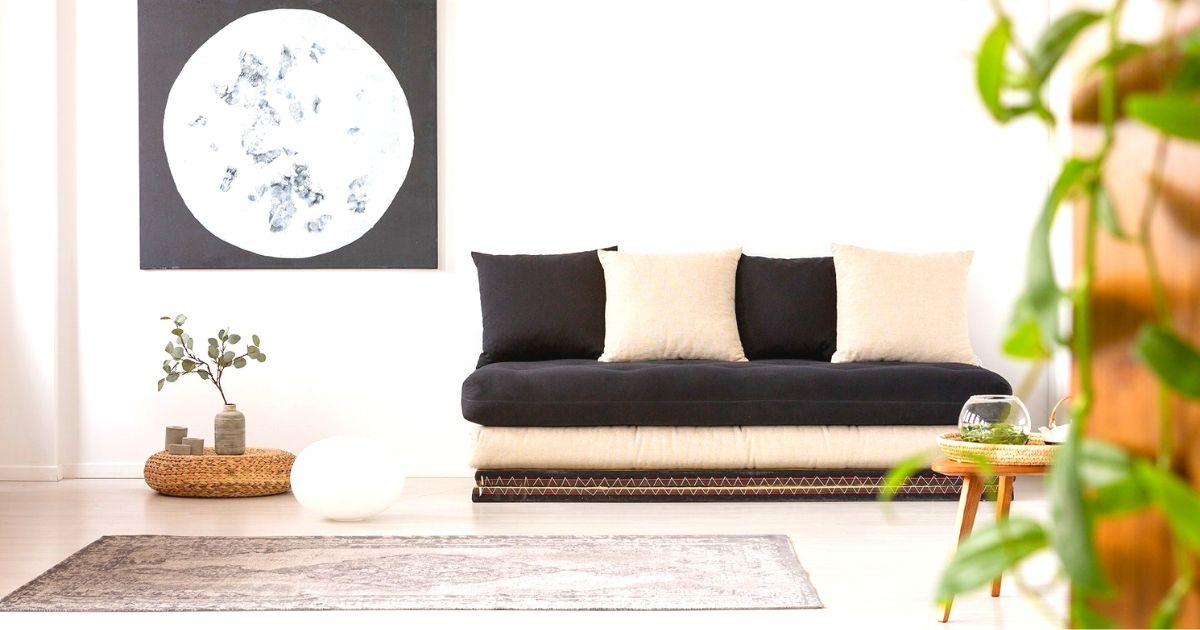
Bukan sekadar sebuah konsep, JAPANDI merupakan falsafah hidup yang menggabungkan kesederhanaan gaya Jepun dengan gaya rustik Scandi. Japandi telah menjadi salah satu stail ataupun gaya yang semakin mendapat perhatian penggemar hiasan dalaman.
ELEMEN JAPANDI
Simplicity Pilih kualiti berbanding kuantiti. Konsep ini mementingkan keringkasan ataupun minimalism. Jadi anda perlu mewujudkan ruang yang kemas, luas dan lapang tanpaterlalu banyak aksesori sert aperabot yang hanya akan mengehadkan lagi ruang sedia ada.
Bahan Semulajadi Antara bahan-bahan semula jadi yang boleh digunakan bagi mewujudkan konsep Japandi ialah buluh, rotan, linen, bulu dan juga kertas. Jangan lupa, unsur semulajadi daripada tumbuh-tumbuhan juga penting untuk sudut kediaman Japandi. Selain dapat menambah warna pada ruang, tumbuhan hijau juga dapat membantu membersihkan udara di dslam kediaman.
Kombinasi Dua Gaya Cuba gabungkan kedua-dua gaya ini dan jangan takut untuk bermain dengan warna terang dari perabot Scandi dan warna gelap yang elegan dari gaya Jepun.
Aksesori Dengan Fungsi Tambahkan aksesori, tetapi jangan keterlaluan. Aksesori Scandinavian menumpukan pada keselesaan, seperti permaidani lembut dan bantal besar untuk menambah suasana yang cosy ke dalam ruang. Aksesori jepun pula biasanya merupakan objek atau peralatan berfungsi seperti pasu, mangkuk atau dulang. Jadi untukmenggabungkan keduanya, keindahan aksesori perlulah seiring dengan kegunaannya.
Warna Kontra Kunci utama konsep Japandi adalah dengan menggabungkan rona neutral lembut dari konsep Scandi yang dikontrakan dengan tona lebih gelap dan malap dari gaya Jepun.
Sentuhan Midas penuh kemewahan dan elegant untuk kediaman anda.
Rahsia dari IMPIANA, download sekarang di
Setiap kali lepas mencuci pakaian berwarna gelap terutamanya hitam, pasti kelihatan habuk putih-putih pada permukaan fabrikny. Kalau nak hilangkan nya, mencuci semula bukanlah penyelesaian yang baik. Malah lebih banyak habuk yang kelihatan. Kebiasaannya lint roller lah jadi penyelamat. Sekali gelek, hilang terus.
Tapi sebenarnya, lint roller atau bahasa mudahnya penggelek habuk banyak kegunaannya. Bukan sekadar digunakan untuk menghilangkan habuk pada pakaian. Antara lain yang boleh anda gunakan adalah seperti:
1. Bersihkan habuk pada pembesar suara.
Kebiasaanya, pembesar suara ada permukaan fabrik yang menutupinya bagi mengelak habuk dari masuk terus pada permukaan diafragma. Dah guna bulu ayam, kain pun masih ada. Ini sebab habuk tersebut terlalu halus dan menjadikan ia melekat pada rongga fabrik pelindung tersebut. Nak disental kang terkoyak pula. Al Maklom lah fabriknya terlalu lembut. Cara terbaik adalah dengan menggunakan penggelek habuk. Tak perlu kuat-kuat. Lalu sahaja.
2. Buang habuk pada terendak lampu
Kalau anda mempunyai terendak lampu yang memang jadi tempat singgahan habuk, bolehlah buang habuk tersebut setiap hari dengan alat ni. Tak payah guna vacuum yang pakai elektrik tu kan.
3. Bersihkan beg tangan
Umum ketahui, beg tangan wanita dah macam stor. Macam-macam ada. Segala benda nak disumbat nya. Rasa-rasa berapa kerap anda membersihkan sepenuhnya beg tangan anda? 2 minggu sekali pun belum tentu kan. Barang-barang pun semua main sumbat je. Jadinya, macam-macam bendasing yang terdapat di dalam beg tu. Pasir, bedak terabur, habuk biskut dan lain-lain. Dah keluarkan semua barang dan dah terbalikkan beg nak buang habuk. Tapi tetap ada yang sukar di keluarkan. jadi terbaiknya adalah anda gunakan penggelek habuk. Cuma untuk bahagian poket susah sikit, Kalai boleh, gunakan penggelek habuk bersaiz kecil
4. Kutip serpihan kaca
Apabila cawan, pasu atau pinggan pecah memang menjadi masalah untuk membersihkannya. Deah selesai kutip serpihan kaca yang pecah. Namun itu bukan jaminan ia bersih sepenuhnya. Sudah pasti ada bahagian serpihan yang sangat halus. Tahu-tahu jer nanti terpijak dah. Kebiasaan untuk permukaan padu seperti atas lantai, anda akan gunakan kain yang telah di basahkan untuk mengumpulkan serpihan yang halus kan. Tapi kalau atas karpet macam mana? Guna lah penggelek habuk. Gelek pada tempat kaca pecah dan sekitarnya.
5. Tangkap semut
Kelihatannya semut banyak di atas meja makan. Nak sembur guna penyembur serangga akan membahayakan makan pula. Nak dipicit atau tekan, ada yang sempat lari pula. Apa kata guna penggelek habuk. Roll je atas semut. Tada semu melekat. Selain itu juga, anda boleh gunakan untuk menangkap serangga kecil lain yang berbahaya dan digeruni seperti labah-labah.
6. Pembersih habuk dalam kereta
Tak perlu lagi menunggu untuk menghantar kereta ke car wash untuk vacuum. Simpan penggelek habuk ni di dalam kereta anda. Lepas ni, nampak saja habuk, terus boleh bersihkan kurang daripada seminit saja. Juga menjimatkan elektrik sebab anda tak lagi perlu vacuum.
7. Bersihkan patung permainan
Anak patung yang jenis fabrik bila dijadikan sebagai hiasan pasti memerangkap habuk. Kebiasaannya, Anda perlu buat cucian kering untuk membersihkan patung permian tanpa merosakkan strukturnya. Mahal tu. Cara murah dan mudah adalah anda aliskan sahaja penggelek habuk di atas permukaan patung permainan.
8. Kutip jarum
Seksanya nak kutip jarum atau manik yang bertaburan. Satu, persatu anda perlu kutip. Ini akan memakan masa yang lama. Apa kata gunakan penggelek habuk untuk kumpulkan jarum-jarum yang terabur tu. Lepas gelek, sediakan satu bekas dan simpan jarum di dalam bekas tersebut.
9. Bersihkan Karpet
Karpet, walaupun telah disedut dengan vacuum adakalanya tetap ada habuk dan rambut yang melekat. Penyelesaian sempurna adalah guna penggelek habuk. Gelek lah pada keseluruhan karpet terutamanya pada bucu-bucu karpet.
10. DIY cop kraf
Merancang hasilkan printed fabric sendiri? inginkan kesan cop berulang, gunakan penggelek habuk untuk mendapatkan kesan yang cantik dan sekata. Untuk DIY cop kraf dengan menggunakan penggelek habuk, boleh [klik sini]
Sentuhan Midas penuh kemewahan dan elegant untuk kediaman anda.
Rahsia dari IMPIANA, download sekarang di
Cara bersihkan tandas tanpa bahan kimia keras yang dikongsi Afiafifah ini turut mendedahkan teknik mop 4 kali sehari yang buat lantai rumah lebih berkilat, bersih dan tidak melekit.